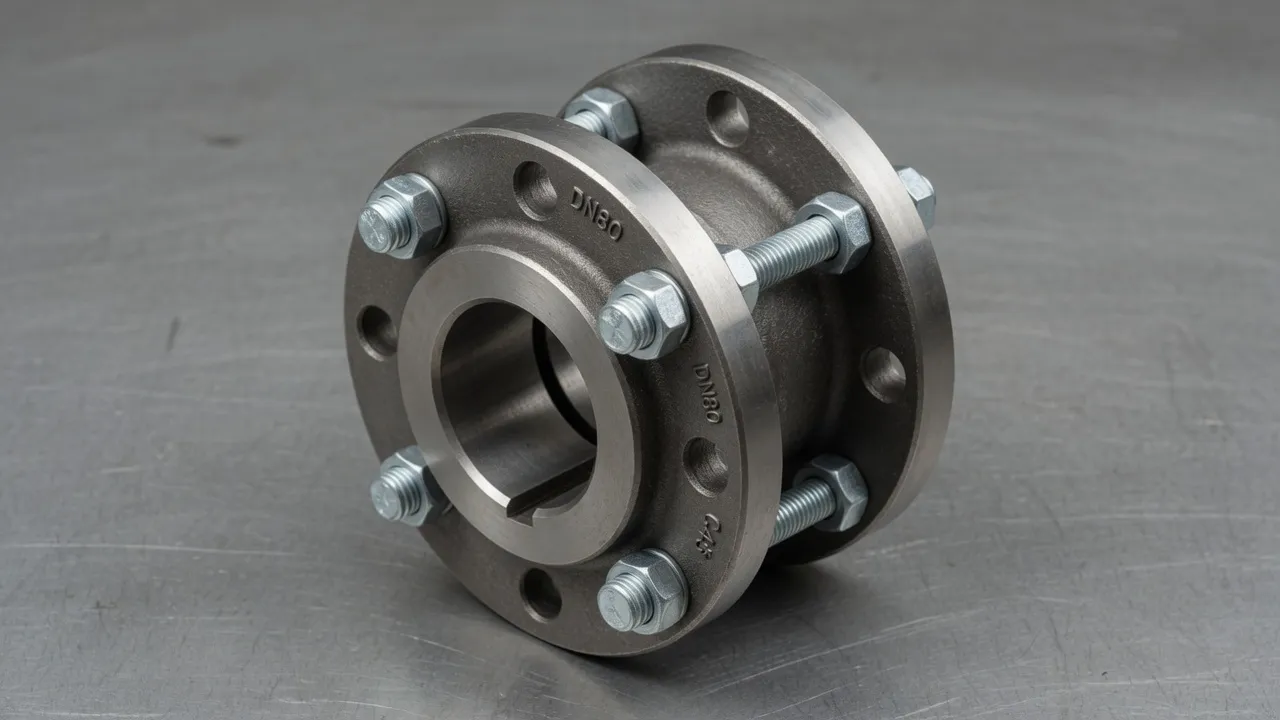
Australian mining is one of the most demanding coupling application environments in the world. Equipment runs continuously in dusty, corrosive, and often wet conditions; start-stop cycles can number in the thousands per year on some drive types; torque levels range from tens of Newtons-metres on auxiliary pump drives to hundreds of thousands of Newtons-metres on mill drives; and maintenance access ranges from inconvenient to genuinely dangerous. Getting the coupling specification wrong in a mining context does not just produce a coupling failure ¡ª it produces a domino sequence of gearbox, bearing, and structural damage that can take days to repair and cost hundreds of thousands of dollars in lost production. The heavy-duty shaft coupling range and the YOX series fluid coupling are the two Ever Power products most frequently specified across Australian mining applications.
Coupling Applications Across the Mining Process Chain
| Process Stage | Equipment | Coupling Position | Coupling Type Required | Key Requirement |
|---|---|---|---|---|
| Primary Crushing | Jaw crusher, gyratory crusher | Motor to gearbox; gearbox to crusher shaft | Fluid coupling (motor side) + heavy rigid flange | Shock load absorption; controlled soft start |
| Secondary Crushing | Cone crusher, impact crusher | Motor to gearbox output pinion | Heavy-duty flexible or rigid flange | High service factor ¡Ý3.0 |
| Grinding | SAG mill, ball mill, rod mill | Gearbox output to pinion; motor to gearbox | Fluid coupling + heavy-duty flange | Torsional analysis mandatory |
| Conveying | Belt conveyor head drives | Motor to fluid coupling; gearbox to head shaft | Fluid coupling + heavy-duty flange | Soft start for high-inertia belt |
| Pumping | Slurry pump, dewatering pump | Motor to pump shaft direct or gearbox | Heavy-duty flexible tyre coupling | Corrosion resistance; axial movement |
| Screening | Vibrating screen | Motor to eccentric shaft | Heavy-duty flexible coupling | Handles eccentric vibration excitation |
| Mine Dewatering | Underground pump sets | Motor to pump (often vertical) | Marine-grade flexible coupling | Corrosion resistance; humidity resistance |
| Ventilation | Main fan, auxiliary fan | Motor to fan shaft | Flexible tyre or heavy-duty | High inertia; soft start preferred |
Why Mining Drives Need Higher Service Factors
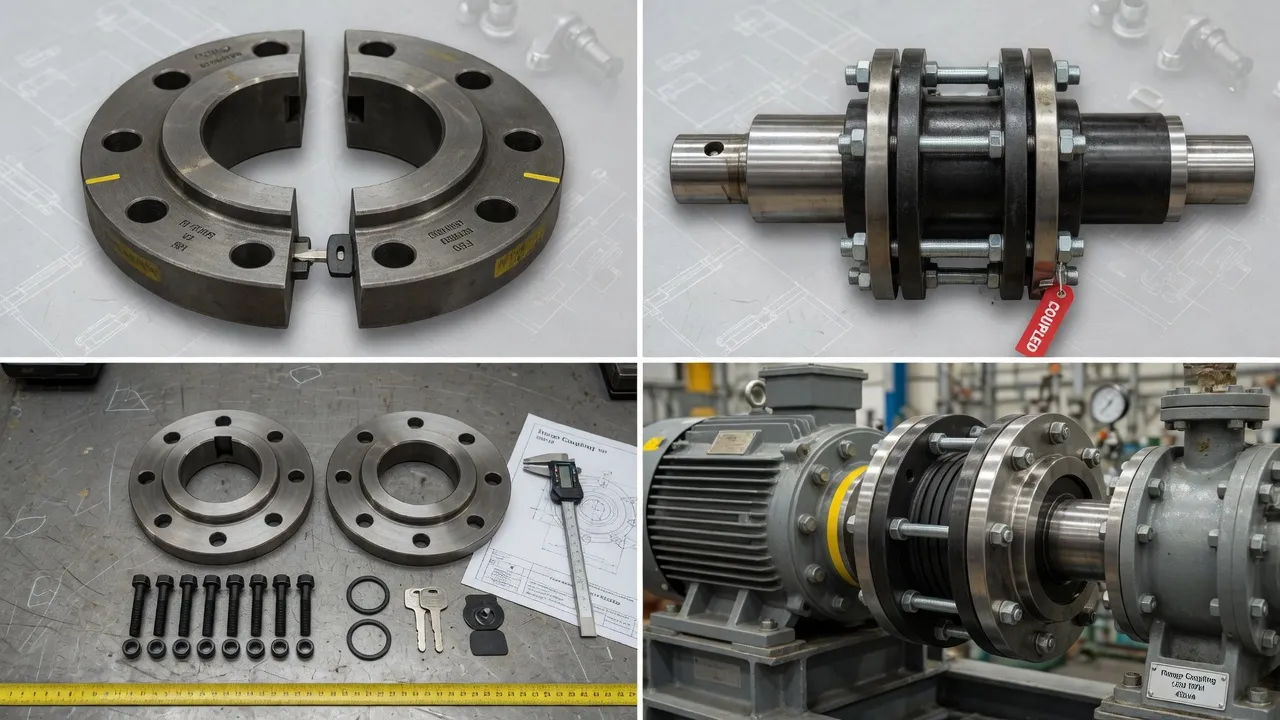
Standard pump and fan service factors of 1.25¨C1.75 are derived from the assumption of relatively clean, consistent load conditions. Mining drives operate in conditions where these assumptions do not hold: a jaw crusher starts against rock partially loaded in the crushing chamber; a SAG mill starts with a full charge of ore and steel balls; a belt conveyor starts with a full belt that may have settled and compacted during the previous shutdown. Each of these starting conditions produces a peak torque significantly higher than the published starting torque of the connected motor ¡ª and the coupling must handle this peak on every start cycle, potentially hundreds of times per year.
For this reason, the minimum service factor for mining crushing and grinding applications is 2.5¨C3.5, and for equipment subject to jamming or blockage (crushers, feeders), a fluid coupling is typically fitted in addition to the mechanical coupling service factor ¡ª providing both the starting torque control and the overload protection that mechanical service factor alone cannot deliver.
Corrosion Protection in Mining Environments
Wet mining environments ¡ª including underground headings, wet ore processing, and coastal site locations ¡ª expose coupling hubs and fasteners to a combination of mine water, process chemicals, and atmospheric humidity that accelerates corrosion far beyond standard industrial rates. The standard specification for wet mining coupling applications is: ductile iron or carbon steel hubs with a two-pack epoxy primer and polyurethane topcoat; 316 stainless steel fasteners throughout; neoprene (CR) or EPDM elastomeric elements rather than natural rubber; and a sealed coupling guard with a drain point at the lowest position.
Frequently Asked Questions
Need Expert Coupling Advice?
Our engineering team in Condell Park NSW is ready to help ¡ª free of charge.